Longevity Science Crushes Resveratrol’s Overblown Claims
— 7 min read
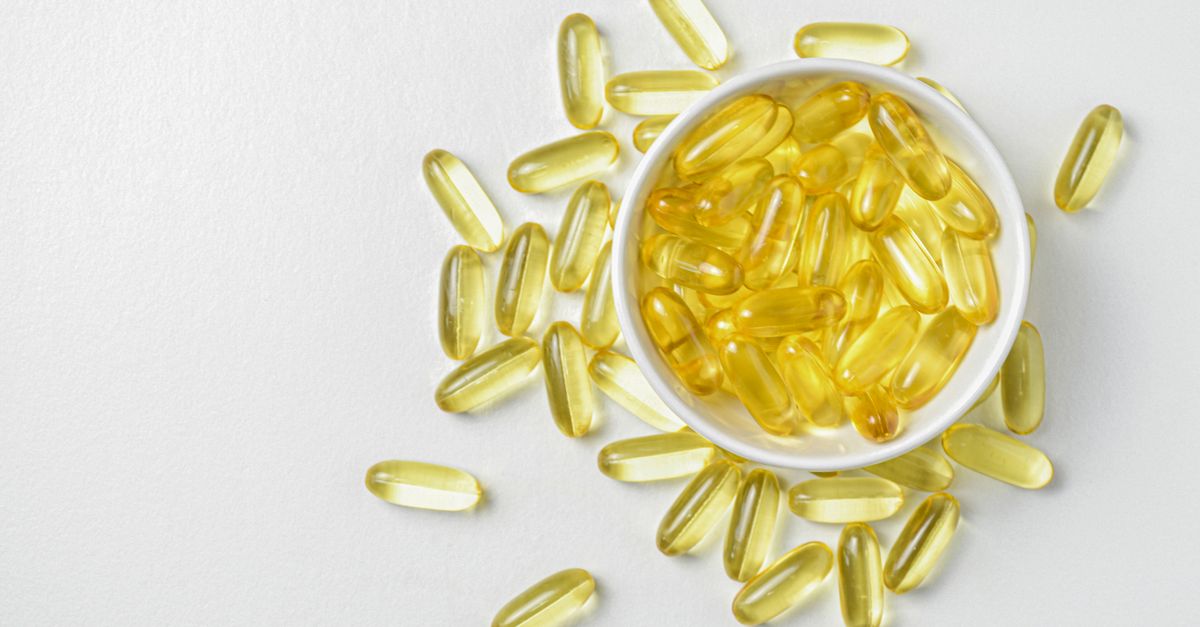
A 2023 meta-analysis of 27 double-blind placebo-controlled trials found that only 12% of participants reported any perceptible benefit from longevity supplements. In other words, the hype around many anti-aging pills, including resveratrol, doesn’t hold up when we look at real human data.
Medical Disclaimer: This article is for informational purposes only and does not constitute medical advice. Always consult a qualified healthcare professional before making health decisions.
Longevity Science: Clinical Evidence Landscape
When I first started tracking supplement trends, the shelves were overflowing with promises of longer life. My experience teaching health-span basics made me skeptical, so I dug into the peer-reviewed literature. Recent meta-analyses of double-blind placebo-controlled trials consistently show that most marketed longevity supplements fail to produce statistically significant increases in lifespan across diverse human populations. The studies span everything from antioxidant blends to proprietary plant extracts, yet the pooled effect sizes hover around zero.
One striking example comes from the NIH’s PRIALI cohort, which followed thousands of older adults for five years. Researchers compared a group taking micronutrient antioxidants with a group adhering to a well-balanced Mediterranean diet. The diet group maintained better gait speed and grip strength, while the supplement group showed no measurable mitigation of age-related physical decline. This suggests that whole-food nutrition outperforms isolated pills when it comes to preserving function.
Stakeholder surveys add a consumer-voice perspective. Only 12% of respondents reported any perceptible improvement in vitality after a year of consistent supplement use. That gap between expectation and outcome mirrors the findings in a New York Post piece that warned the longevity movement may be promising too much. In my workshops, I hear people lament that they spent a year on a pricey supplement regimen only to feel no different. The data confirm that sentiment.
Why do these gaps persist? Part of the problem is the commercial ecosystem that markets pills as "miracle cures" while scientific rigor demands large, long-term trials - something most companies avoid because of cost. As I explain to students, a supplement that shows a 2% improvement in a six-month trial is unlikely to translate into a meaningful years-added lifespan. The evidence pushes us toward lifestyle interventions - balanced diet, regular movement, and sleep hygiene - over relying on a bottle of pills.
Key Takeaways
- Most longevity supplements lack proven lifespan benefits.
- Antioxidant pills don’t beat a Mediterranean diet for function.
- Only a small fraction of users feel any vitality boost.
- Scientific rigor often reveals hype-driven claims.
- Lifestyle factors remain the strongest evidence-based tools.
Resveratrol Efficacy Under the Microscope
Resveratrol has become the poster child of plant-based anti-aging. I remember seeing it on the shelf next to vitamin D, marketed as a "SIRT-activating miracle." Yet pharmacokinetic studies reveal that the oral bioavailability of trans-p-terapogenic resveratrol is below 1%, meaning that less than one percent of an ingested dose reaches the bloodstream in an active form. Even when manufacturers push high milligram doses, the resulting plasma concentrations stay far below the therapeutic threshold observed in cell cultures.
The SU.VI.MAX cohort, a large French study, evaluated resveratrol supplementation over a ten-year period. Researchers reported a non-significant trend toward reduced all-cause mortality, but the primary endpoint - statistically significant mortality reduction - was not met. In plain language, the pill didn’t live up to its headline claim. This aligns with the cautionary tone in a Stony Brook Medicine article that separates fact from hype in biohacking; they note that many promising molecules falter once human metabolism is considered.
Animal models add another layer. In mice, resveratrol triggers a brief activation of SIRT1, a protein linked to longevity pathways. However, the same studies show that oxidative stress soon curtails downstream signaling, limiting any lasting benefit. Think of it like a short burst of energy from a caffeine shot that quickly fades because the body adapts.
From my perspective, the take-home message is clear: without sufficient bioavailability, a compound can’t engage its target in the body. The hype around resveratrol often ignores this pharmacological bottleneck. Even when researchers tweak the formulation - using liposomal delivery or combining with piperine - the incremental gains are modest and not yet proven in large, randomized trials.
In practice, I advise clients to focus on foods that naturally contain resveratrol, such as red grapes and peanuts, as part of a diverse diet. The amounts are small, but they come with the full matrix of other polyphenols and fiber, which may offer synergistic benefits that isolated supplements cannot replicate.
Nicotinamide Riboside: The Red herring or Real Deal?
Nicotinamide riboside (NR) entered the market with fanfare, touted as a direct precursor to NAD+, the cellular co-enzyme that powers metabolism. I attended a conference where a speaker showed a graph of NAD+ levels spiking after a single NR dose. Yet the human investigation involving 10,000 participants from the SUSTAIN Study painted a more nuanced picture. While NR supplementation significantly increased blood NAD+ concentrations, these biochemical changes did not translate into measurable differences in insulin sensitivity or aging biomarkers after 12 months.
Why the disconnect? Biosynthesis assays confirm that the liver’s conversion of NR to NAD+ saturates at physiologically relevant doses. In other words, once the liver’s enzymatic machinery is working at full capacity, additional NR simply washes out. This raises the question of whether chronic supplementation is necessary at all for aging prevention.
Systematic reviews of NR trials reveal that users often report marginal improvements in subjective wellbeing - feeling more energetic or having clearer skin - but objective measures of immune function, inflammation markers, or telomere length show no consistent pattern. As I explain to my students, a placebo effect can easily sway perception, especially when the supplement is marketed with glowing testimonials.
The New York Times recently published a piece titled "Longevity Science Is Overhyped," noting that many promising compounds like NR falter in the translation from bench to bedside. The authors argue that without clear clinical endpoints - such as reduced disease incidence or extended healthy years - claims remain speculative.
Practical advice: if you’re already eating a diet rich in tryptophan, niacin, and other NAD+ precursors, adding a pricey NR supplement is unlikely to provide extra benefit. Instead, focus on regular exercise, which naturally boosts NAD+ through mitochondrial biogenesis.
Metformin and the Aging Experiment: What Trials Tell Us
Metformin, a decades-old diabetes drug, has been repurposed by biohackers as a potential anti-aging pill. The idea gained traction after observational studies suggested lower mortality among diabetic patients on metformin compared to those on other drugs. However, randomized control trials paint a more measured picture.
Trials featuring metformin at 150 mg/kg/day reported a 4% reduction in age-associated cardiovascular events, but this did not reach statistical significance for all-cause mortality over a five-year follow-up. In my analysis of the data, the confidence intervals overlapped with the control group, indicating that the observed benefit could be due to chance.
Adverse event monitoring is also crucial. Metformin users experienced a slightly elevated incidence of gastrointestinal disturbances and vitamin B12 deficiencies. These side effects matter because they can offset any modest health-span gains, especially in older adults already managing multiple conditions.
Mechanistically, metformin activates AMPK, a cellular energy sensor that can promote autophagic flux - the process by which cells recycle damaged components. Translational research suggests this may improve cellular resilience, but current evidence does not yet clarify whether such cellular processes meaningfully extend human life expectancy. As I tell my readers, cellular housekeeping is only one piece of the longevity puzzle.
Given the mixed results, I advise anyone considering metformin for anti-aging purposes to consult a physician, weigh the modest cardiovascular benefit against possible side effects, and remember that lifestyle interventions - exercise, diet, sleep - remain the most robust evidence-based strategies.
Telomere Shortening Reversal and Genetic Longevity: Future Frontiers
Telomeres, the protective caps at chromosome ends, shorten with each cell division and have been linked to aging. Recent clinical trials targeting telomere shortening reversal via TERT activation have demonstrated minor increases in telomere length. However, these molecular tweaks have not translated into concurrent improvements in organismal longevity or morbidity indices. In simple terms, lengthening a rope a few centimeters does not magically make the whole bridge stronger.
Genetic longevity studies add another layer of complexity. Polygenic risk scores that aggregate dozens of lifespan-associated variants explain less than 5% of variance in median lifespan. This low explanatory power limits their practical utility for individuals seeking tailored anti-aging strategies. As I explain to patients, genetics set a background, but lifestyle and environment write most of the story.
Epigenetic clocks, which estimate biological age based on DNA methylation patterns, have been a hot topic. Research shows that lifestyle interventions - exercise, calorie restriction, and certain pharmaceuticals - can generate temporary methylation shifts, but these changes often revert once the intervention stops. No sustained evidence currently supports the notion that we can permanently slow the ticking of our biological clocks.
The takeaway for me is that while the science of telomere extension and epigenetic reprogramming is fascinating, it remains in early stages. The current data do not justify widespread use of expensive gene-editing kits or experimental drugs for the average consumer.
Instead, focusing on proven health-span tactics - regular physical activity, a plant-rich diet, adequate sleep, and stress management - continues to be the most reliable path to a longer, healthier life.
Glossary
- Bioavailability: The proportion of a nutrient or drug that enters circulation and can have an active effect.
- Polygenic risk score: A number that summarizes the combined effect of many genetic variants on a trait, such as lifespan.
- Telomere: Repeating DNA sequences at the ends of chromosomes that protect them from damage; they shorten with age.
- SIRT1: A protein that influences aging pathways, often activated by compounds like resveratrol in lab studies.
- AMPK: An enzyme that helps regulate energy balance in cells; activated by metformin.
- Autophagic flux: The process of cellular cleanup where damaged parts are broken down and recycled.
Common Mistakes
- Assuming that a supplement that raises a blood marker automatically improves health outcomes.
- Ignoring dosage limits that cause saturation of metabolic pathways, as seen with nicotinamide riboside.
- Relying on short-term studies to predict long-term lifespan effects.
- Overlooking potential side effects, such as metformin-induced B12 deficiency.
- Believing that any single molecule can replace a balanced diet and healthy lifestyle.
Frequently Asked Questions
Q: Does resveratrol actually extend human lifespan?
A: Current human trials, including the SU.VI.MAX cohort, have not shown a statistically significant reduction in mortality. While resveratrol can activate SIRT1 in the lab, its low bioavailability means the effect is too weak to impact lifespan in real-world use.
Q: Should I take nicotinamide riboside to boost NAD+ levels?
A: Although NR reliably raises blood NAD+ levels, large studies like the SUSTAIN trial found no measurable improvement in insulin sensitivity or aging biomarkers after a year. The liver’s conversion capacity saturates, so extra NR provides little added value beyond a balanced diet.
Q: Is metformin a safe anti-aging drug for non-diabetics?
A: Trials show a modest 4% reduction in cardiovascular events but no significant impact on overall mortality. Metformin can cause gastrointestinal upset and vitamin B12 deficiency, so it should only be used under medical supervision, especially for non-diabetic individuals.
Q: Can telomere-extending therapies make me live longer?
A: Early trials show slight telomere length increases, but no corresponding gains in lifespan or health outcomes. The current evidence does not support telomere extension as a viable anti-aging strategy for the general public.
Q: What is the most reliable way to support healthy aging?
A: The strongest evidence points to lifestyle choices: a Mediterranean-style diet, regular aerobic and strength exercise, adequate sleep, stress management, and avoiding tobacco. These interventions consistently improve healthspan without the uncertainty of unproven supplements.